
Okay, so check this out—Solana moves fast. Really fast. If you’re dipping into NFTs, DeFi or just trying to interact with a dApp without jumping through a dozen hoops, a browser wallet can feel like the difference between smooth sailing and constant friction. My first impression was: finally, a wallet that doesn’t make me want to close the tab. But of course it’s not perfect—there are tradeoffs. Here’s a clear, practical look at using a Solana wallet in your browser, with a close eye on Phantom and what you should watch out for.
First things first: a browser extension wallet is the bridge between your browser and the blockchain. It stores keys client-side, signs transactions locally, and exposes a tidy API so dApps can request signatures. That’s the convenience. The downside is obvious—if your extension is compromised, or you click the wrong prompt, you could lose assets. So yes, take security seriously. I’ll walk through what to watch for. And I’ll be honest about what bugs me, too—because some UX choices feel unnecessarily brittle.
Why choose a Solana-specific browser wallet?
Solana’s architecture is different from EVM chains. Transactions are cheaper and quicker, and many dApps expect Solana-style signing and key handling. Using a wallet built for Solana avoids compatibility hiccups and gives you access to native features like integrated staking and token metadata for NFTs.
Phantom is the most widely used option in this space. I’ve used it for a variety of things—marketplace buys, quick swaps, sending tokens to friends—and it usually just works. If convenience and network-native features matter to you, a Solana-first wallet is the sensible pick.
Installing a browser wallet—what to expect
Install from the official source. Seriously. The ecosystem has seen fake extensions pop up. One easy way to get the authentic Phantom extension is via this link to phantom. That will take you where you need to go without chasing sketchy copies.
Once installed, you’ll create or import a wallet using a seed phrase. Write that phrase down on paper and store it somewhere safe. Don’t screenshot it. Don’t copy it to plaintext on a cloud drive. If someone gets your seed phrase, they have everything.
Tip: create a dedicated browser profile for crypto activity. It reduces surface area—fewer extensions, fewer cookies, less chance of weird interactions. I do this and it’s saved me from weird extension conflicts more than once.
Core features that actually matter
Not all wallets are equal. Here’s what I value, and what you should look for:
- Clear transaction signing UI—shows fees, destination, and token details.
- Multiple accounts—easy switching without re-importing seeds.
- Hardware wallet integration—so you can move keys offline.
- Built-in token and NFT views—so you can verify assets without a block explorer.
- Network toggles—devnet/testnet support for trying things safely.
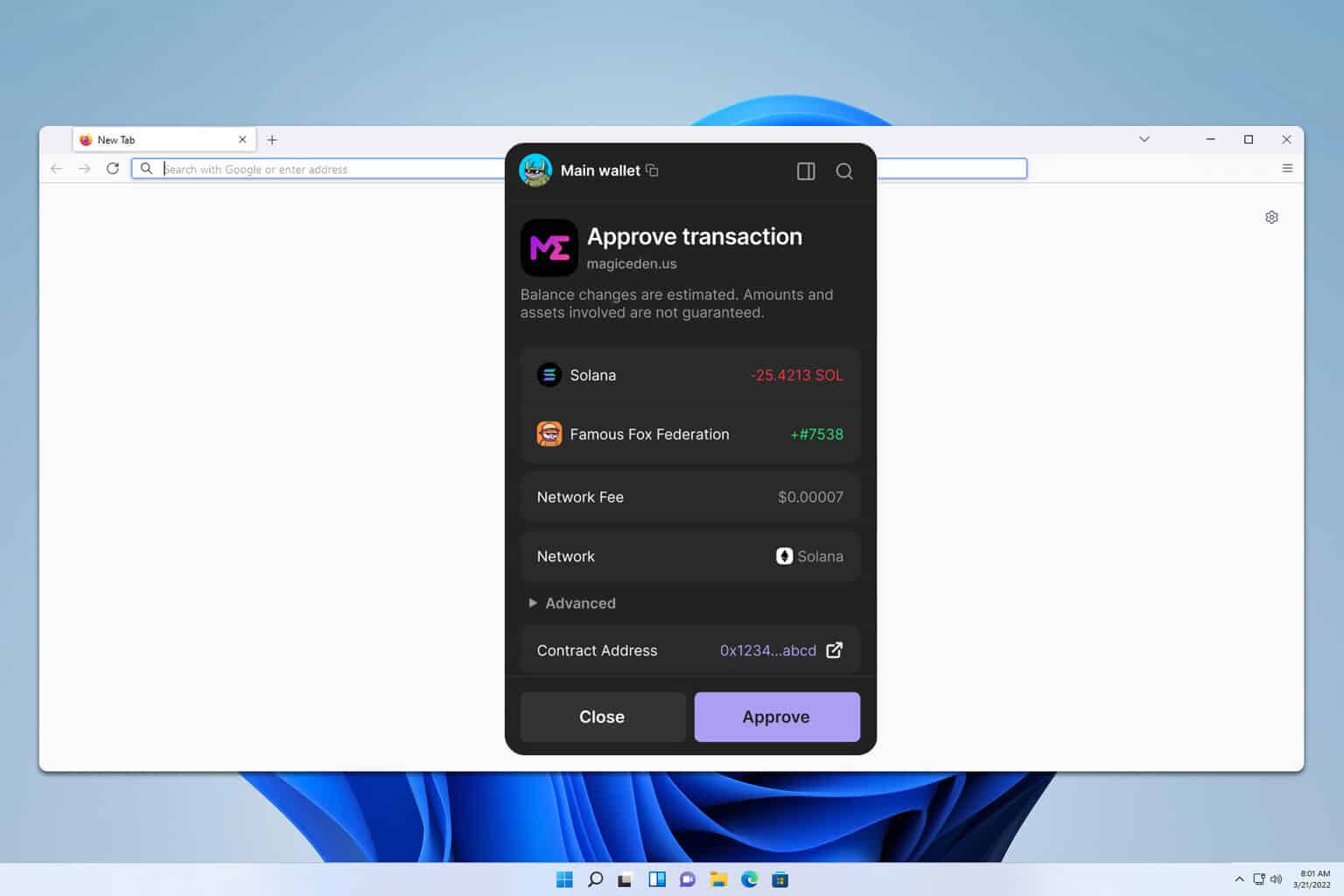
Phantom nails most of these. The interface is clean, signing dialogs are readable, and hardware support has improved. But sometimes the UX hides small fees or fails to make RPC options obvious—so double-check before confirming big transfers.
Security habits that actually protect you
Here’s the part that sounds boring but matters: habits beat features. A wallet can be great, but if you click careless links or reuse seeds, nothing helps.
Practical checklist:
- Never paste seed phrases into websites or chat apps.
- Use hardware wallets for large holdings or cold storage.
- Review transaction details line-by-line before signing.
- Prefer official dApps and verify URLs—phishing is everywhere.
- Limit extension permissions—don’t allow blanket wallet access on every site.
My instinct said to keep everything neat in one browser; but actually, segregation (separate profiles) reduces blast radius when something goes sideways. On one hand it’s a tiny hassle—though actually worth it when stuff breaks.
Common problems and quick fixes
Some things pop up more than others. Here are the usual suspects and how to handle them:
- Missing tokens: add the token address manually or refresh your dApp connection.
- Stuck transactions: check the cluster status (sometimes the RPC node is the issue) and consider canceling or resubmitting with higher priority fees.
- Extension crashes: reboot the browser, disable conflicting extensions, or re-install from the official source.
- Phantom-specific quirks: sometimes the UI lags after network changes; log out and back in to reset state.
Advanced usage—staking, integrated swaps, and NFTs
Phantom includes straightforward staking flows for SOL and integrates swap providers so you can trade without leaving the extension. For NFTs, the wallet displays on-chain metadata and thumbnails—handy when you just want to confirm ownership quickly.
If you’re a power user, consider running your own RPC node or using a reputable private RPC provider to reduce reliance on public endpoints. It’s an extra step, but it cuts latency and eliminates some common failure modes.
Privacy and data considerations
Browser wallets expose public addresses and often request site connections to sign transactions. That’s how dApps work, but it leaks behavior. Expect that connected sites can see your balances and token history while connected. If privacy matters to you, use separate addresses for different activities or consider ephemeral wallets for one-off interactions.
Also: watch out for permission creep. Some dApps ask for long-lived approvals—approve only what you need and revoke allowances you no longer use.
Final thoughts—what I’d change and what’s great
I’m biased, but I appreciate Phantom’s polish and developer-first approach. The UX is built around Solana’s strengths. However, the extension model is inherently riskier than hardware-first workflows. If you value convenience, this setup is excellent. If you value absolute security, mix in hardware wallets and cold storage.
There’s still room for improvement—better explanations in the UI for advanced settings, clearer fee breakdowns, and more transparent RPC controls. But for most users, Phantom and Solana wallet extensions strike a good balance: low friction, high speed, and decent safety when paired with good habits. Try small transactions first. Grow into more capability as you learn. That’s how you stay safe and sane.
FAQ
Is Phantom safe to use as a browser extension?
Phantom is widely used and generally considered secure, but safety depends on your behavior. Use strong seed storage practices, prefer hardware wallets for large holdings, verify dApp URLs, and avoid suspicious links. Treat any browser extension wallet like a high-touch tool rather than a limitless vault.
Can I connect multiple accounts or use hardware wallets?
Yes. Most Solana browser wallets support multiple accounts and offer hardware wallet integration (Ledger, for example). Use hardware wallets when you want an extra layer of protection for valuable assets.